Diesel heater fitting and buying guide for campervans, motorhomes and vans

Campervan interior kept warm by a diesel heater
WARM

Toasty Nights

A diesel heater turns a chilly van into somewhere you actually want to be in March and October. It's the single biggest upgrade for extending your camping season.

This guide has everything you need to keep your van, motorhome or caravan cosy on cold nights, with a step-by-step fitting video and the parts to do it safely.

Diesel heaters draw outside air for burning and vent their fumes outside, so the heat they blow in is dry. Gas and other flame heaters burning inside the living space add moisture to the air, which runs down your windows. A typical heater uses roughly 0.1 to 0.5 litres of diesel an hour depending on the setting, and only a few amps from your battery once it's running.

Diesel Heater Install Guide

A great video to help you with a DIY fit, plus everything below that you need to safely fit a diesel heater to your caravan, campervan, motorhome or van build.

BEST FOR MOST

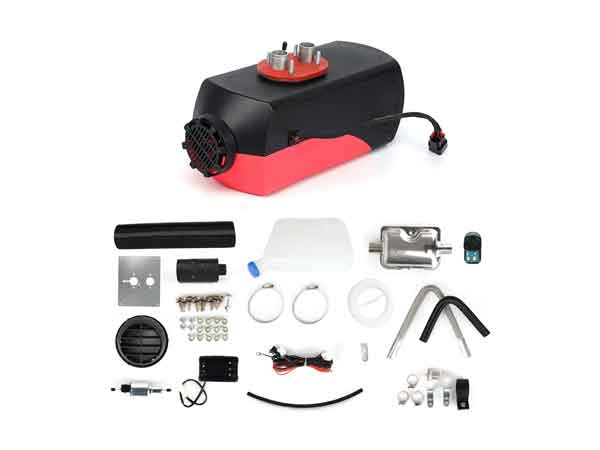
5kW DIESEL HEATER

VANS, CAMPERVANS &
MOTORHOMES UP TO ~7M

The recommended size for heating the living area of a small to medium caravan, van, motorhome or campervan. Plenty of heat without moving up to the larger 8kW unit. Diesel heaters run most efficiently when they're working, rather than idling on their lowest setting.

MORE POWER

8kW DIESEL HEATER

LARGER MOTORHOMES,
BUSES & WORKSHOPS

The more powerful option for larger spaces that need more heat. It warms a big motorhome or converted bus quickly on frosty mornings. Listed as Bluetooth compatible, so you can control it from your phone.

Fitting Parts List

Everything we used for a safe, quiet, tidy install. Tick these off and you're ready to fit.

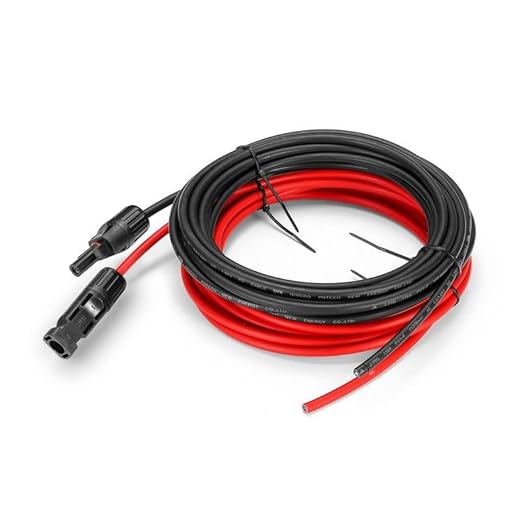
Red and black power cablePower

Power Cable

Red and black cable from the battery to the heater. Around 9m (30ft) of each covers many setups.

Why it matters: A heater draws a high current while its glow plug fires up. Cable that's too thin causes voltage drop and failed starts.

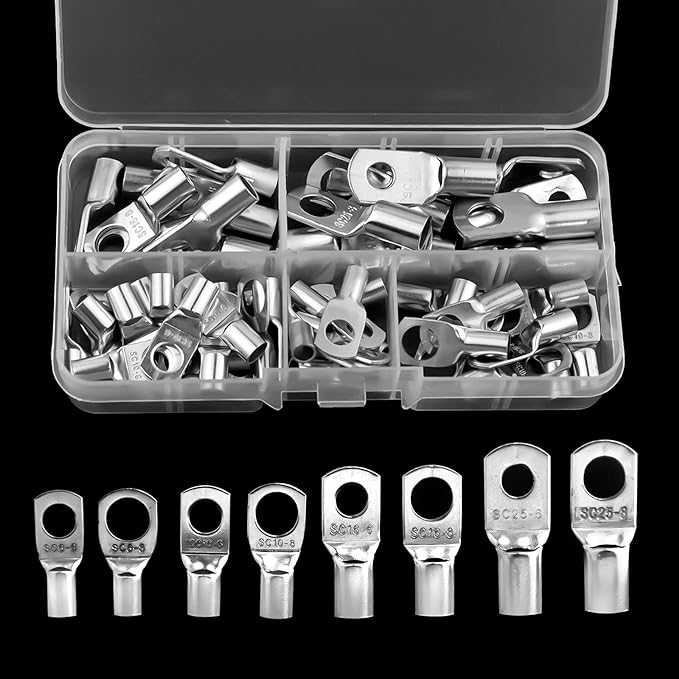
Terminal spades and connectorsHandy

Terminal Connectors

You only need a couple for the heater, but a full set leaves you extras for later jobs.

Why it matters: Properly crimped terminals mean no loose wires shaking free on bumpy farm tracks.

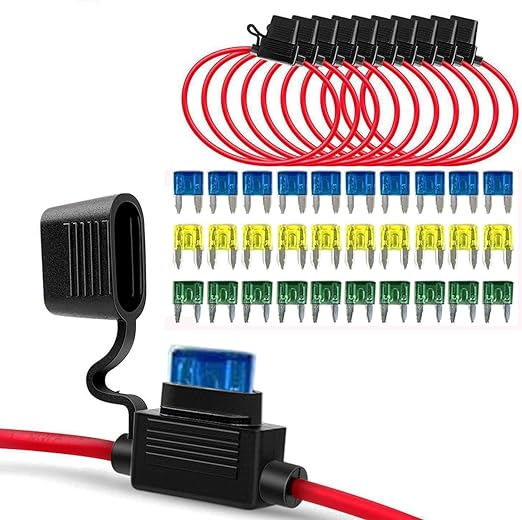
Inline fusesEssential

Inline Fuses

A fuse on the live lead between the battery and the heater is an essential part of the fit.

Why it matters: It protects against overheated wiring and the risk of fire.

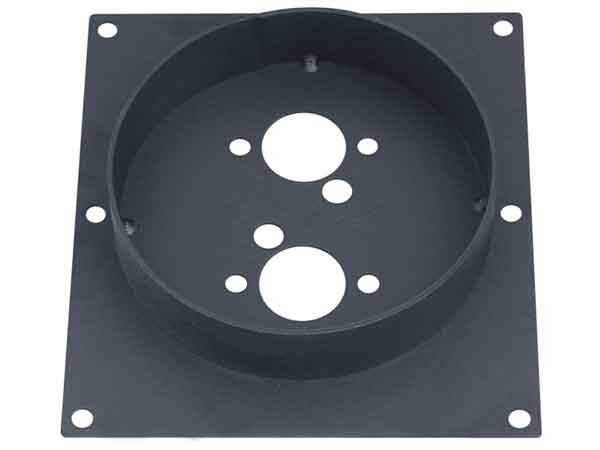
Heater mounting heat shieldPick your depth

Heat Shield / Mount

Essential when you're fitting directly onto timber, plywood or composite flooring. Choose the depth that matches your floor.

Why it matters: It keeps heat away from your floor and gives the heater a solid, airtight base.

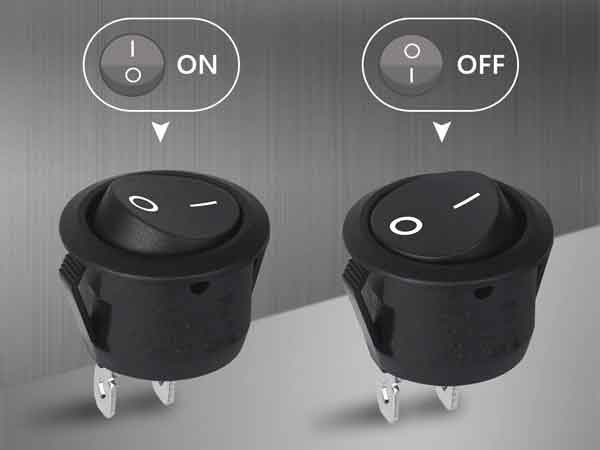
External isolation switchPeace of mind

External Switch

Heater remotes are generic enough that a neighbour's remote could switch yours on.

Why it matters: A simple physical switch means your heater stays off until you want it on.

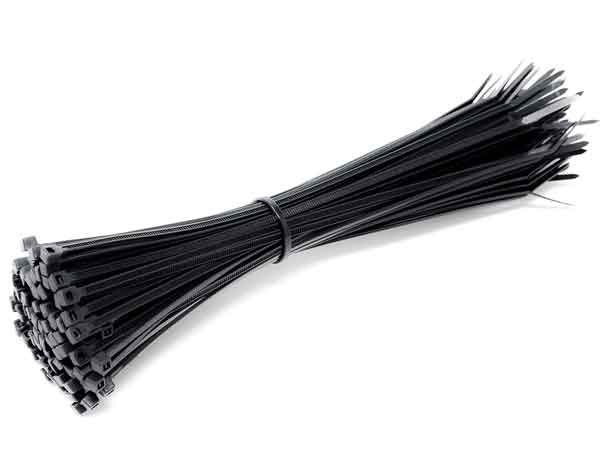
Cable tiesQuieter

Cable Ties

Use them to hang the fuel pump under the vehicle so it isn't resting on the chassis.

Why it matters: A suspended pump ticks quietly instead of drumming through the floor all night.

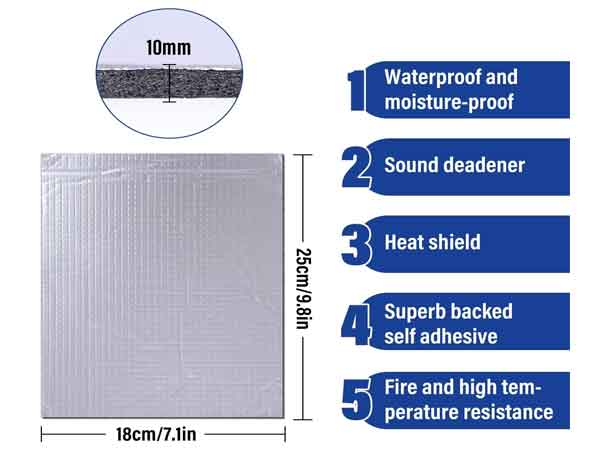
Sound deadening foamQuieter

Sound Deadening Foam

Wrap it tightly around the pump to quieten it down.

Why it matters: It also adds moisture protection and helps if the pump is mounted near the exhaust.

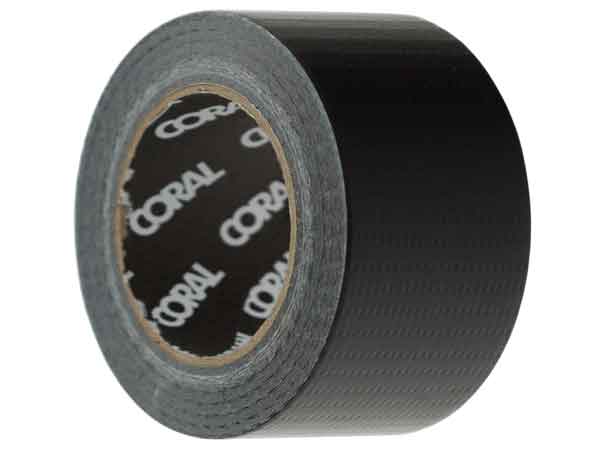
Fibre tapeFinishing touch

Fibre Tape

The finishing item for securing the foam wrap tightly and neatly around the pump.

Why it matters: It's a small but useful final piece that keeps the install clean and long-lasting.

Safety Essentials

Two items that should go in before you ever switch a heater on.

Carbon monoxide alarmMust have

Carbon Monoxide Alarm

If you run any fuel-burning heater in an enclosed space, this is a must. It's the most important product on this page.

Why it matters: Carbon monoxide has no smell or colour. An alarm is the only way you'll know there's a leak while you sleep.

Automatic fire extinguisher ballExtra protection

Auto Fire Off

Automatic fire extinguishing balls: a smart extra layer of protection near diesel and electrics.

Why it matters: They react on their own, even when you're asleep or away from the van.

Upgrades & Spares

Optional extras that make your heater warmer, quieter and more reliable, and keep it running for years.

Heat where you want it

Ducting & Vents

Extra ducting and outlet vents let you send warm air to the bed, the cab or the washroom.

Why it matters: Warm air goes where you need it, and a second outlet can stop the heater overheating in a small space.

No separate tank

Fuel Tank Standpipe

A standpipe kit lets the heater draw straight from your vehicle's own diesel tank.

Why it matters: No separate tank to refill or find room for. The standpipe stops short of the bottom, so the heater can never drain your tank dry.

Keeps it clean

Inline Fuel Filter

A small filter in the fuel line catches dirt before it reaches the pump.

Why it matters: Dirty fuel is a common cause of failed starts and sooty burners. A cheap filter protects an expensive heater.

Happy neighbours

Exhaust Silencer

An exhaust silencer cuts the heater's outside roar to a gentle hum.

Why it matters: At a family festival your neighbours are a few metres away. A quiet heater keeps everyone sleeping.

Carry a spare

Spare Glow Plug

The glow plug lights the heater on every start, and it's the part most likely to wear out.

Why it matters: It's cheap, it takes ten minutes to swap, and it saves you a freezing night if yours fails on a trip.

Know your van

Thermometer & Hygrometer

A small digital display that shows the temperature and humidity inside your van.

Why it matters: It helps you set the heater just right and spot rising damp air before condensation and mould set in.

Top Tips For A Happy Heater

Look after your heater and it'll look after you for many winters.

  1. Let It Cool Down

    Always switch off with the controller and let the fan finish its cool-down. Never cut the power while it's running.

  2. Run It Hot Monthly

    Run it on high for 20 to 30 minutes once a month to burn off carbon, even in summer.

  3. Winter Diesel

    Summer diesel can gel in hard frosts. Fill up with winter-grade fuel from autumn onwards.

  4. Exhaust Outside

    Point the exhaust away from doors, windows and awnings, and never run a heater inside a tent.

More Off-Grid Guides

Power, heat and cooling: everything that lets you camp anywhere, in any season.

Coming Events

We have 5 fabulous events throughout the school holidays every year.

Come along for the weekend, or enjoy the whole event.
It's up to you.

The Big Spring Gathering Hampshire 2027 Easter Special Family Music Festival 1st - 11th April
HAMPSHIRE
Staffordshire Rocks 2027 Family Music Festival 28th May - 6th June
STAFFS LAKES
North Nibley 2027 Family Music Festival 25th July - 1st August
COTSWOLDS
Camper Live North Wales Family Music Festival 2027 8th - 15th August
NORTH WALES
Lincolnshire Summer Sounds 2027 Family Music Festival and lakeside campsite 23rd - 29th August
LINCS LAKES

Hope This Helps

We hope this guide helps you plan a setup that works for you. The products shown are examples of the kind of kit we'd look at. We're part of the Amazon affiliate scheme, so a small commission may go to Wild Festivals from purchases made through this page.

Got a question, or a tip that would help other campers? Send it to us and we'll add it to the guide.

As an Amazon Associate, Wild Festivals earns from qualifying purchases. Links on this page may earn us a small commission at no extra cost to you, which helps keep our festivals affordable. Prices and availability change, so always check the listing.